


As a supplier of EPC Smart Glass, I often encounter inquiries about the light transmittance of our products. Light transmittance is a crucial factor when considering smart glass for various applications, as it directly affects the amount of natural light that can pass through the glass and the overall visual experience. In this blog post, I will delve into the concept of light transmittance in EPC Smart Glass, exploring its significance, influencing factors, and how it compares to traditional glass.
Understanding Light Transmittance
Light transmittance refers to the percentage of incident light that passes through a material. In the context of smart glass, it is a measure of how much visible light can penetrate the glass when it is in different states. EPC Smart Glass is a type of switchable glass that can change its transparency in response to an electrical current, allowing users to control the amount of light and privacy.
The light transmittance of EPC Smart Glass is typically expressed as a range, indicating the minimum and maximum levels of transmittance achievable. For example, a common range for EPC Smart Glass might be 5% to 85%. This means that in its opaque state, the glass allows only 5% of the incident light to pass through, providing high privacy. In its transparent state, on the other hand, it can transmit up to 85% of the light, offering a clear view similar to traditional clear glass.
Significance of Light Transmittance in EPC Smart Glass
The light transmittance of EPC Smart Glass plays a vital role in its functionality and practical applications. Here are some key reasons why light transmittance is important:
Energy Efficiency
By controlling the amount of sunlight entering a building, EPC Smart Glass can significantly reduce the need for artificial lighting and cooling systems. In sunny conditions, the glass can be switched to a lower transmittance state to block excessive sunlight and heat, reducing the load on air conditioning units. Conversely, in low-light situations, it can be set to a higher transmittance state to allow more natural light in, reducing the reliance on electric lights. This not only saves energy but also lowers utility costs.
Privacy and Comfort
One of the primary advantages of EPC Smart Glass is its ability to provide privacy on demand. When the glass is in its opaque state, it effectively blocks the view from the outside, creating a private space. The low light transmittance in this state ensures that the interior remains hidden, while still allowing some ambient light to enter. In transparent mode, the high light transmittance offers a clear view and a sense of openness, enhancing the comfort and aesthetic appeal of the space.
Visual Experience
The light transmittance of EPC Smart Glass can greatly impact the visual experience within a building. In spaces such as offices, conference rooms, and retail stores, the ability to adjust the amount of light and privacy can create a more comfortable and productive environment. For example, in a meeting room, the glass can be switched to an opaque state during presentations to minimize distractions, and then to a transparent state for collaborative discussions. In a retail setting, it can be used to create dynamic displays and enhance the customer experience.
Factors Affecting Light Transmittance in EPC Smart Glass
Several factors can influence the light transmittance of EPC Smart Glass. Understanding these factors is essential for selecting the right product for specific applications and achieving the desired performance. Here are some of the key factors:
Film Type and Quality
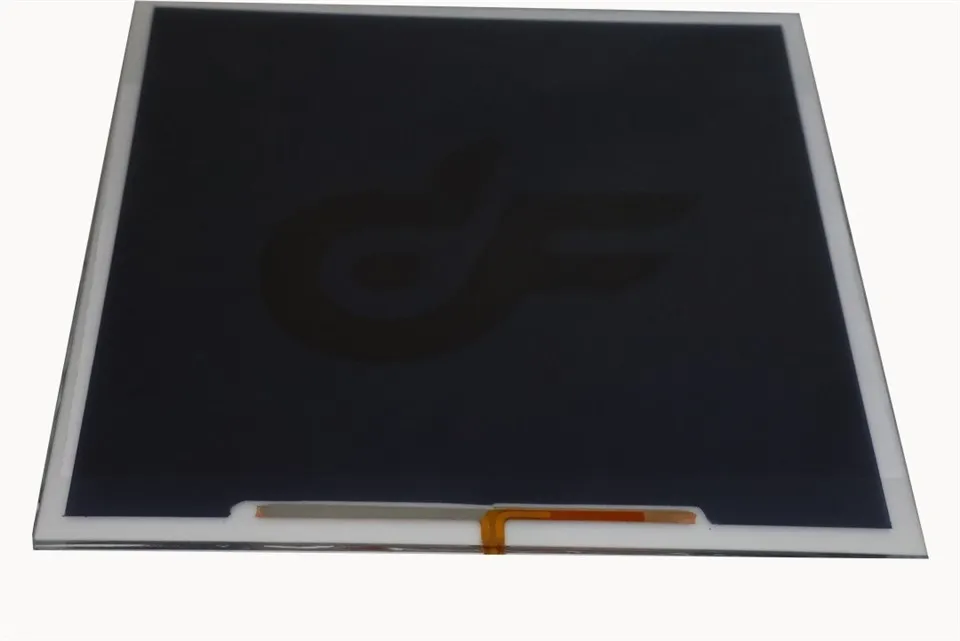
The type and quality of the smart film used in EPC Smart Glass have a significant impact on its light transmittance. EPC Switchable Smart Back Film and EPC Smart Laminated Film are two common types of films used in our products. Each film has its own unique properties and transmittance characteristics. Higher-quality films generally offer better transmittance and more consistent performance.

Glass Thickness and Coating
The thickness of the glass and the presence of any coatings can also affect light transmittance. Thicker glass may absorb or scatter more light, resulting in lower transmittance. Additionally, anti-reflective coatings can be applied to the glass to reduce reflection and increase the amount of light that passes through. These coatings can improve the overall clarity and visual performance of the smart glass.
Operating Conditions
The operating conditions, such as temperature, humidity, and voltage, can influence the light transmittance of EPC Smart Glass. Extreme temperatures or high humidity levels may affect the performance of the smart film and cause a decrease in transmittance. It is important to ensure that the glass is installed and operated within the recommended temperature and humidity ranges to maintain optimal performance.
Comparison with Traditional Glass
When comparing EPC Smart Glass to traditional glass, the most significant difference lies in its ability to control light transmittance. Traditional glass has a fixed transmittance, which means that the amount of light passing through it cannot be adjusted. In contrast, EPC Smart Glass offers variable transmittance, allowing users to adapt to different lighting conditions and privacy needs.
In terms of energy efficiency, EPC Smart Glass has a clear advantage over traditional glass. By reducing the need for artificial lighting and cooling, it can help to lower energy consumption and costs. Traditional glass, on the other hand, may allow excessive sunlight and heat to enter a building, leading to increased energy usage.
In terms of privacy, traditional glass requires the use of blinds, curtains, or other window coverings to achieve privacy. These coverings can be cumbersome to use and may not provide the same level of flexibility as EPC Smart Glass. With EPC Smart Glass, privacy can be easily controlled with the flip of a switch, eliminating the need for additional window treatments.
Applications of EPC Smart Glass Based on Light Transmittance
The unique light transmittance properties of EPC Smart Glass make it suitable for a wide range of applications. Here are some examples:
Commercial Buildings
In commercial buildings such as offices, hotels, and retail stores, EPC Smart Glass can be used to create flexible and functional spaces. It can be installed in conference rooms, offices, and storefronts to provide privacy on demand and enhance the visual appeal of the space. The ability to control light transmittance also helps to reduce energy costs and create a more comfortable working environment.
Residential Buildings
In residential buildings, EPC Smart Glass can be used in bedrooms, bathrooms, and living rooms to provide privacy and control the amount of sunlight entering the space. It can also be installed in windows facing busy streets or neighboring buildings to enhance privacy without sacrificing natural light.
Healthcare Facilities
In healthcare facilities such as hospitals and clinics, EPC Smart Glass can be used in patient rooms, operating theaters, and waiting areas to provide privacy and control the amount of light. The ability to adjust the transparency of the glass can help to create a more comfortable and healing environment for patients.
Automotive Industry
In the automotive industry, EPC Smart Glass can be used in sunroofs, windows, and partitions to provide privacy and control the amount of sunlight entering the vehicle. It can also be used to reduce glare and improve the overall driving experience.
Conclusion
The light transmittance of EPC Smart Glass is a critical factor that determines its functionality, energy efficiency, and practical applications. By understanding the concept of light transmittance, its significance, and the factors that affect it, you can make an informed decision when selecting EPC Smart Glass for your specific needs.
As a supplier of EPC Smart Glass, we are committed to providing high-quality products with excellent light transmittance and performance. Our team of experts can help you choose the right product for your application and ensure that it is installed and operated correctly. If you are interested in learning more about our EPC Smart Glass or would like to discuss a potential project, please feel free to contact us for a consultation. We look forward to working with you to create innovative and sustainable solutions using EPC Smart Glass.
References
- "Smart Glass Technology: Principles and Applications." Springer, 2018.
- "Energy-Efficient Windows and Glazing Systems." ASHRAE, 2019.
- "Switchable Glass: A Review of Technologies and Applications." Journal of Materials Chemistry C, 2017.


