


Hey there! As a supplier of sunroom film, I often get asked a bunch of questions about where and how our products can be used. One question that pops up quite a bit is, "Can sunroom film be used on windows with a textured surface?" Well, let's dig into this topic and find out.
First off, let's talk about what sunroom film is all about. Sunroom films are super handy. They can block out a good amount of UV rays, which helps protect your furniture and floors from fading. They also can reduce heat gain in the summer, making your sunroom more comfortable and potentially saving you some money on your energy bills. And let's not forget about privacy. Some sunroom films can give you that one - way visibility effect, so you can see out, but people outside can't easily see in.
Now, when it comes to textured windows, things get a bit more complicated. Textured windows have a non - smooth surface. This could be a rippled, frosted, or embossed design. The texture serves different purposes, like adding privacy or a decorative touch to the window. But this very texture can pose challenges when it comes to applying sunroom film.
One of the main issues is adhesion. Sunroom films are designed to stick firmly to a surface. On a smooth window, they can form a tight bond, ensuring long - lasting performance. However, on a textured surface, the film may not adhere evenly. The bumps and grooves in the texture can create air pockets between the film and the window. These air pockets not only look unsightly but can also affect the film's performance. For example, they might reduce the film's ability to block UV rays or heat, as the air acts as an insulator and disrupts the film's function.
Another problem is bubbles. When you're applying sunroom film, getting rid of bubbles is a key step to achieve a professional - looking finish. On a smooth window, it's usually possible to squeegee out most of the bubbles during installation. But with textured windows, the texture can trap air, making it really hard to get rid of those pesky bubbles. Even if you manage to get the film on without too many bubbles initially, over time, the air trapped in the texture can cause the film to bubble up and peel away from the window.
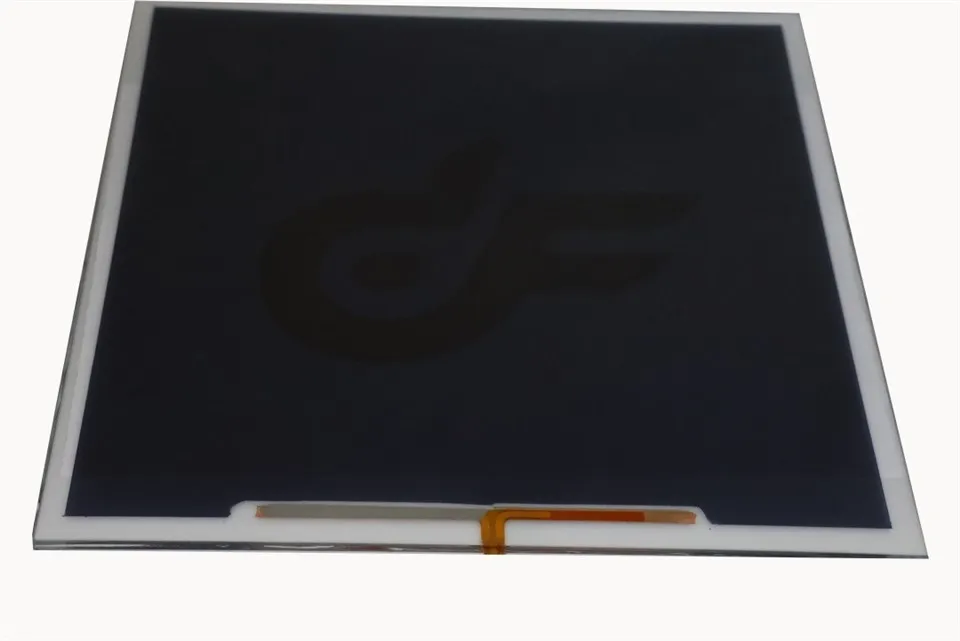

So, does this mean you can never use sunroom film on textured windows? Not necessarily. There are some types of sunroom films that are more suitable for textured surfaces. For instance, our EPC Smart Laminated Film has a more flexible and conformable nature. It can adapt better to the uneven surface of textured windows compared to some other films. This film is designed to have a strong adhesive that can grip onto the texture without creating too many air pockets.
Similarly, our EPC Smart Glass is another option. It's a high - quality product that can be a good fit for textured windows. The smart technology in this glass allows it to adjust its tint based on the amount of sunlight, and it can be installed on textured surfaces with relatively fewer issues compared to standard sunroom films.
Our EPC Switchable Smart Back Film is also worth considering. This film offers the advantage of being switchable, meaning you can control its transparency. And its adhesive properties are engineered to handle some degree of surface irregularity, making it a potential candidate for textured windows.
If you're determined to use sunroom film on a textured window, there are some steps you can take to improve the chances of a successful installation. First, make sure the window is clean. Any dirt or debris on the textured surface can make the adhesion problem even worse. Use a mild detergent and a soft cloth to clean the window thoroughly, and then dry it completely.
Next, take your time during the installation process. Instead of trying to apply the entire film at once, you might want to start in small sections. This way, you can better manage the adhesion and deal with any air pockets or bubbles as you go. Use a high - quality squeegee to press the film onto the window, working from the center outwards to push the air towards the edges.
It's also a good idea to test a small area first. Cut a small piece of the sunroom film and apply it to a corner of the textured window. This will give you an idea of how well the film adheres and whether you can get rid of the bubbles. If the test goes well, you can proceed with the full installation.
In some cases, you might need to consult a professional installer. They have the experience and tools to handle tricky installations on textured windows. They know how to work around the challenges and can ensure that the film is applied as smoothly as possible.
So, in conclusion, while using sunroom film on textured windows is possible, it's not without its difficulties. But with the right type of film, like our EPC Smart Laminated Film, EPC Smart Glass, or EPC Switchable Smart Back Film, and proper installation techniques, you can achieve a good result.
If you're interested in learning more about our sunroom films and whether they're suitable for your textured windows, don't hesitate to reach out. We're here to answer all your questions and help you make the right choice for your needs. Whether you're looking to enhance the comfort of your sunroom, protect your interior from UV damage, or add a touch of privacy, our range of sunroom films has something to offer. Let's have a chat and see how we can work together to get the best solution for your windows.
References
- General knowledge on window films and window installation techniques.
- Product specifications and research on EPC Smart Laminated Film, EPC Smart Glass, and EPC Switchable Smart Back Film.


