


Dimming glass film, also known as switchable smart film, is a revolutionary product that can transform ordinary glass into intelligent glass with controllable transparency. As a supplier of dimming glass film, I often receive inquiries about its potential applications in different settings, one of the most common being schools. In this blog, I will explore whether dimming glass film can be used in schools, analyzing its advantages, possible drawbacks, and practical applications.
Advantages of Using Dimming Glass Film in Schools
Privacy and Flexibility
One of the primary benefits of dimming glass film is its ability to provide privacy on demand. In a school environment, there are various areas where privacy is crucial. For example, in counseling rooms, administration offices, or even in special education classrooms where students might need a more secluded space. With dimming glass film, teachers or administrators can easily adjust the transparency of the glass, allowing for private conversations and activities when needed. When privacy is not required, the glass can be set to a transparent state, maintaining a sense of openness and brightness in the room.
This flexibility is also beneficial in classrooms. Teachers can use the dimming film to create a more focused learning environment during certain activities, such as video screenings or group discussions. By dimming the glass, external distractions can be minimized, and students can better concentrate on the task at hand. When the activity is over, the glass can be made transparent again, reconnecting the classroom with the rest of the school and promoting a more inclusive atmosphere.
Energy Efficiency
Schools are large energy consumers, with extensive lighting and air - conditioning systems. Dimming glass film can play a significant role in reducing energy consumption. When the film is in its opaque state, it can block a significant amount of sunlight, reducing the heat gain in the room. This, in turn, decreases the reliance on air - conditioning systems, leading to lower energy bills.
During the day, when natural light is abundant, the transparent state of the dimming glass film allows maximum sunlight to enter the classrooms and other areas of the school. This reduces the need for artificial lighting, further saving energy. Over time, these energy savings can add up to a substantial amount, making it a cost - effective investment for schools.
Safety and Security
Dimming glass film can also enhance the safety and security of a school. In the event of an emergency, such as a fire or a security threat, the opaque state of the film can help prevent outsiders from easily seeing inside the school buildings. This can be particularly useful in protecting students and staff during lockdown situations.
Moreover, some dimming glass films are designed to be shatter - resistant. In case of accidental breakage of the glass, the film holds the glass fragments together, reducing the risk of injury from flying shards. This is especially important in a school environment where there are many young and active students.

Aesthetics and Modernization
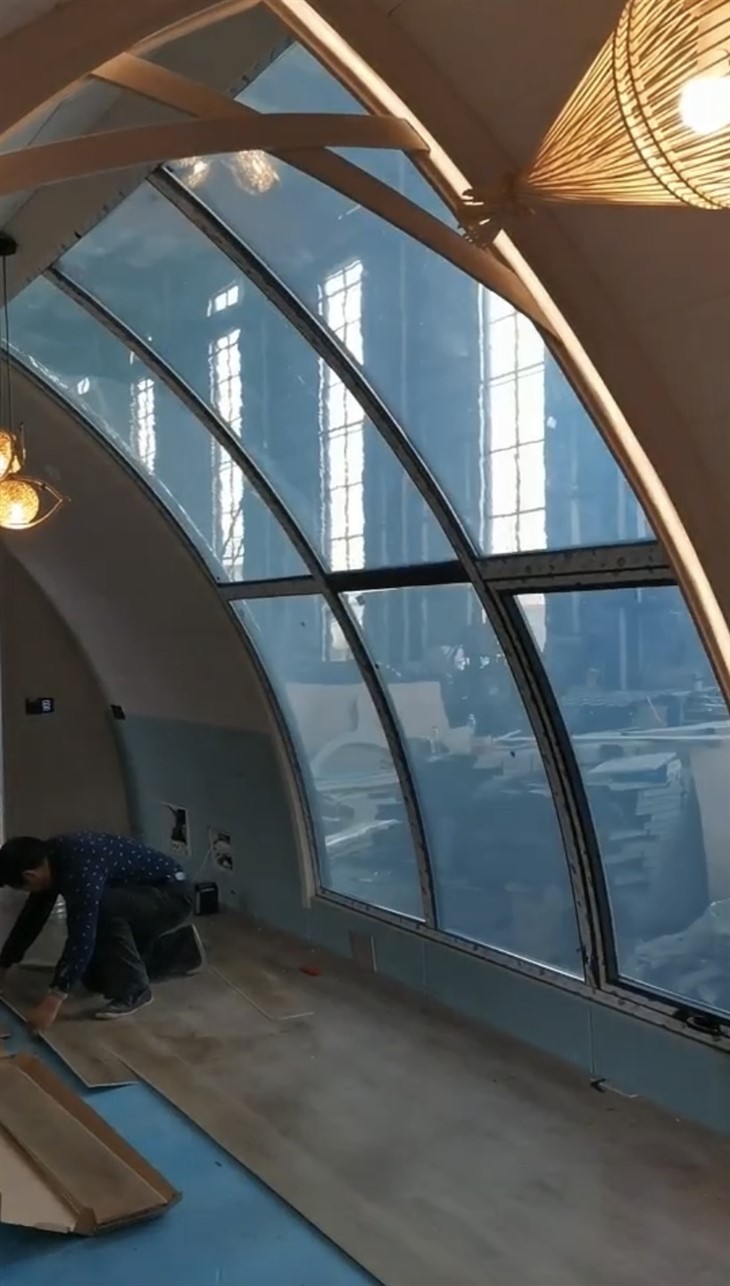
Installing dimming glass film can give a school a more modern and high - tech look. It adds a touch of sophistication to the traditional school building, which can be appealing to students, parents, and visitors. The ability to switch the appearance of the glass from transparent to opaque also creates a dynamic and engaging visual effect, making the learning environment more stimulating.
Possible Drawbacks
Cost
The initial cost of installing dimming glass film can be relatively high compared to traditional window treatments. This can be a significant barrier for schools with limited budgets. However, it is important to consider the long - term cost savings in energy and maintenance when evaluating the overall cost - effectiveness of the investment.
Technical Complexity
Dimming glass film requires an electrical power source to operate. This means that there are technical aspects to consider, such as wiring and control systems. Schools may need to hire professional electricians and technicians to install and maintain the system, which adds to the overall cost and complexity. Additionally, in the event of a power outage, the dimming function may not work, which could be a drawback in some situations.
Durability
Although dimming glass film is generally designed to be durable, it may be more prone to damage compared to traditional glass in some cases. For example, sharp objects or excessive pressure can scratch or damage the film. Schools need to develop appropriate maintenance and usage guidelines to ensure the longevity of the dimming glass film.
Practical Applications in Schools
Classrooms
As mentioned earlier, dimming glass film can be used in classrooms to create a more versatile learning environment. Teachers can use the film to control the amount of natural light and external distractions, tailoring the classroom conditions to different teaching methods and activities. For example, during a science experiment where students need to observe light reactions, the opaque state of the film can eliminate external light interference.
Auditoriums and Lecture Halls
In auditoriums and lecture halls, dimming glass film can be used to enhance the visual experience. When projections or presentations are being shown, the opaque state of the film can block out sunlight, improving the image quality on the screen. This provides a better view for the audience, whether they are students, teachers, or guest speakers.
Counseling and Administrative Offices
Counseling and administrative offices often require privacy. Dimming glass film allows counselors and administrators to have private conversations with students or colleagues without compromising on the overall aesthetic and brightness of the office. It provides a professional and comfortable environment for sensitive discussions.
Hallways and Common Areas
Even in hallways and common areas, dimming glass film can be used to create a more dynamic and interesting space. It can be used to separate different areas within the hallway or to add a decorative element. For example, a section of the hallway can be made to look like an art installation when the dimming glass film is switched between transparent and opaque states.
Our Products
At our company, we offer a range of high - quality dimming glass films suitable for school applications. Our PDLC Smart Glass is a popular choice, known for its excellent transparency and dimming performance. It provides a clear view when transparent and a high - quality opaque appearance when switched.
Our PDLC Switchable Smart Back Film is designed for easy installation on existing glass surfaces. It is a cost - effective solution that can transform ordinary glass into smart glass without the need for extensive renovation.
For more demanding applications, our PDLC Smart Laminated Film offers enhanced durability and performance. It is suitable for areas where high - level safety and security are required.
Conclusion
In conclusion, dimming glass film has great potential for use in schools. The advantages of privacy, energy efficiency, safety, and aesthetics often outweigh the possible drawbacks of cost and technical complexity. With proper planning and installation, dimming glass film can significantly improve the learning and working environment in a school.
If you are a school administrator, a facilities manager, or an educator interested in exploring the use of dimming glass film in your school, we would be happy to discuss your specific needs and provide you with a customized solution. Contact us today to start the procurement process and transform your school into a more modern, energy - efficient, and secure learning institution.
References
- [Name of the book about smart glass technology]
- [Journal article on energy - saving materials in buildings]
- [Report on school building modernization trends]


