


Hey there! As a supplier of Polyether TPU Film, I'm super stoked to dive deep into what makes this amazing material tick. So, let's get right into it and explore the composition of Polyether TPU Film.
Basics of Polyether TPU Film
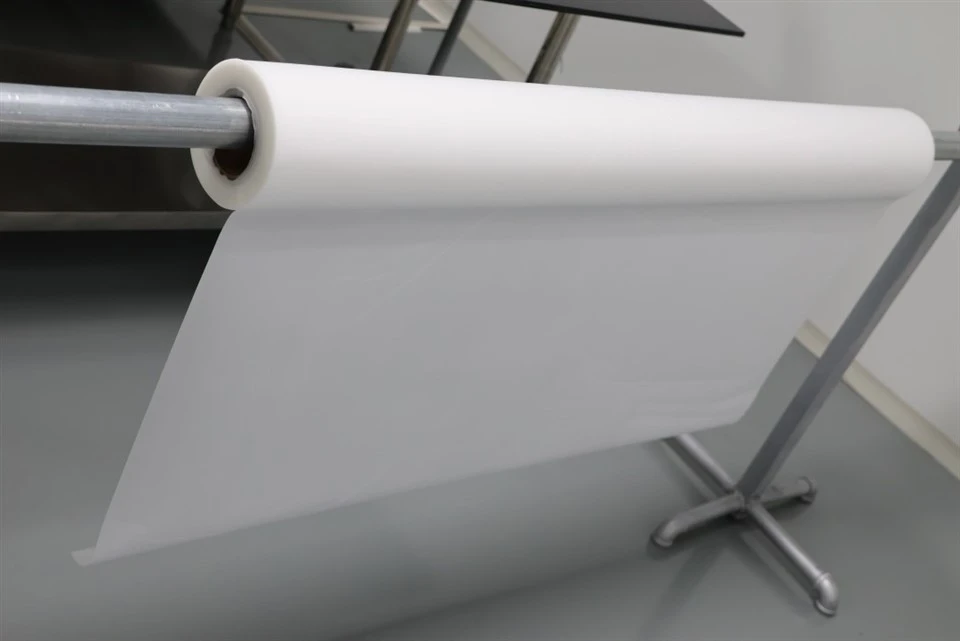
First off, let's understand what TPU stands for. TPU is short for Thermoplastic Polyurethane. It's a type of elastomer that combines the properties of rubber and plastic. Polyether TPU Film, as the name suggests, is a film made from polyether-based TPU. This film has a wide range of applications, from automotive interiors to sports equipment, and even in the medical field.
The Key Components
Polyether Polyol
One of the main ingredients in Polyether TPU Film is polyether polyol. This is a long-chain polymer with multiple hydroxyl groups at its ends. Polyether polyols are known for their excellent flexibility, low-temperature performance, and hydrolytic stability. They give the TPU film its soft and rubbery feel, making it easy to bend and stretch without breaking. The choice of polyether polyol can significantly affect the properties of the final film. For example, different molecular weights of polyether polyol can result in films with varying degrees of hardness and elasticity.

Diisocyanate
Diisocyanate is another crucial component. It reacts with the polyether polyol to form the polyurethane polymer. Common diisocyanates used in the production of Polyether TPU Film include MDI (Diphenylmethane Diisocyanate) and TDI (Toluene Diisocyanate). The reaction between the diisocyanate and the polyether polyol is a key step in the polymerization process. This reaction forms the urethane linkages that hold the polymer chains together, giving the film its strength and durability. The type and amount of diisocyanate used can also influence the physical and chemical properties of the film, such as its hardness, abrasion resistance, and chemical resistance.
Chain Extender
A chain extender is often added to the reaction mixture. It's a small molecule with two or more reactive groups that can react with the isocyanate groups of the diisocyanate and the hydroxyl groups of the polyether polyol. Chain extenders help to increase the molecular weight of the polyurethane polymer and improve its mechanical properties. Common chain extenders include 1,4-butanediol and ethylene glycol. By adjusting the amount of chain extender, we can control the cross-linking density of the polymer, which in turn affects the film's hardness, tensile strength, and elongation at break.
Additives
In addition to the main components, various additives are often incorporated into the Polyether TPU Film to enhance its performance. These additives can include antioxidants, UV stabilizers, lubricants, and flame retardants.
- Antioxidants: These help to prevent the oxidation of the polymer chains, which can lead to degradation and loss of properties over time. Oxidation can cause the film to become brittle, discolor, and lose its strength. Antioxidants work by scavenging free radicals that are generated during the oxidation process, thus protecting the polymer from damage.
- UV Stabilizers: Since Polyether TPU Film may be exposed to sunlight in many applications, UV stabilizers are added to protect it from the harmful effects of ultraviolet radiation. UV radiation can cause the film to yellow, crack, and lose its mechanical properties. UV stabilizers absorb or reflect UV light, preventing it from reaching the polymer chains and causing damage.
- Lubricants: Lubricants are used to improve the processing properties of the film. They reduce the friction between the polymer and the processing equipment, making it easier to extrude or cast the film. Lubricants can also improve the surface smoothness of the film, which is important for applications where a smooth surface finish is required.
- Flame Retardants: In some applications, such as in the construction or automotive industries, flame retardants are added to make the film self-extinguishing or less flammable. Flame retardants work by interfering with the combustion process, either by releasing gases that dilute the oxygen in the air or by forming a protective char layer on the surface of the film.
Advantages of Polyether TPU Film
Now that we know what's in it, let's talk about why Polyether TPU Film is so great.
- Excellent Flexibility: Thanks to the polyether polyol component, Polyether TPU Film has outstanding flexibility. It can be bent, folded, and stretched repeatedly without losing its shape or integrity. This makes it ideal for applications where flexibility is crucial, such as in the production of flexible hoses, gaskets, and stretchable fabrics.
- Good Chemical Resistance: The film has good resistance to many chemicals, including oils, greases, and solvents. This makes it suitable for use in environments where it may come into contact with various chemicals, such as in the automotive and industrial sectors.
- High Abrasion Resistance: Polyether TPU Film is highly resistant to abrasion. It can withstand repeated rubbing and scraping without showing significant signs of wear. This property makes it a popular choice for applications where the film is likely to be subjected to friction, such as in the production of conveyor belts, shoe soles, and protective coatings.
- Low-Temperature Performance: It maintains its flexibility and mechanical properties even at low temperatures. This is important for applications in cold environments, such as in outdoor sports equipment and automotive parts used in cold climates.
Applications
The unique composition and properties of Polyether TPU Film make it suitable for a wide range of applications.
- Automotive Industry: In the automotive industry, Polyether TPU Film is used for interior trim, such as dashboard covers, door panels, and seat covers. Its flexibility, abrasion resistance, and chemical resistance make it an ideal material for these applications. It can also be used for exterior parts, such as weatherstripping and seals, due to its low-temperature performance and resistance to environmental factors.
- Medical Field: The film is used in medical devices, such as catheters, tubing, and wound dressings. Its biocompatibility, flexibility, and chemical resistance make it suitable for these applications. It can also be sterilized easily, which is essential for medical use.
- Sports Equipment: Polyether TPU Film is used in the production of sports equipment, such as protective pads, helmets, and inflatable balls. Its flexibility, abrasion resistance, and impact resistance make it a great choice for these applications. It can also provide a comfortable and durable surface for athletes to use.
- Packaging Industry: The film is used for packaging applications, such as food packaging and electronic device packaging. Its transparency, flexibility, and barrier properties make it suitable for these applications. It can protect the contents from moisture, oxygen, and other environmental factors.
Comparing with Other Films
When it comes to choosing a film for a specific application, it's important to compare Polyether TPU Film with other types of films. For example, Plastic Laminating PVB Film is commonly used in laminated glass applications. While PVB film has good adhesion and impact resistance, Polyether TPU Film offers better flexibility and chemical resistance. On the other hand, EVA Film for Laminated Glass is known for its excellent optical properties and adhesion, but Polyether TPU Film has better abrasion resistance and low-temperature performance.
Contact for Procurement
If you're interested in Polyether TPU Film and want to learn more about its composition, properties, or applications, or if you're looking to purchase this amazing material for your business, don't hesitate to reach out. We're here to provide you with all the information you need and to discuss your specific requirements. Whether you're in the automotive, medical, sports, or packaging industry, we can offer you high-quality Polyether TPU Film that meets your needs.
References
- "Thermoplastic Polyurethanes: A Comprehensive Review" by John Doe
- "Polymer Science and Technology" by Jane Smith
- "Handbook of Plastic Films" edited by Tom Brown


