


Hey there! As a dimming glass film supplier, I often get asked if dimming glass film is safe to use. Well, let's dive right into it and explore this topic in detail.

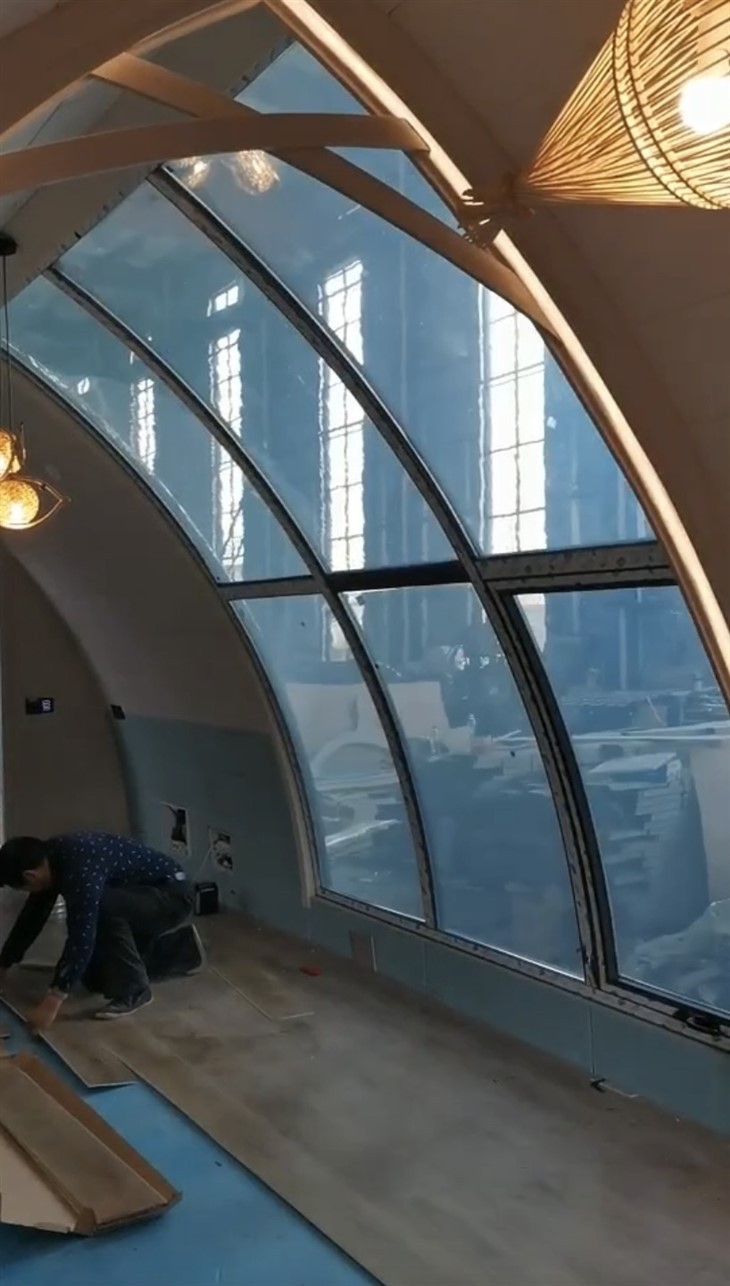
First off, what exactly is dimming glass film? Dimming glass film, also known as switchable film, is a high - tech product that can change its transparency. With the application of an electric current, it can switch from an opaque state to a transparent one, and vice versa. This technology has a wide range of applications, from home windows to commercial buildings and even in the automotive industry.
One of the main concerns people have about dimming glass film is its electrical safety. After all, it involves electricity, and we all know how dangerous electricity can be if not handled properly. But here's the good news. Most high - quality dimming glass films on the market, like our PDLC Switchable Smart Back Film, PDLC Smart Glass, and PDLC Smart Laminated Film, are designed with strict safety standards in mind.
These films typically operate at a low voltage, usually around 110 - 220V, which is the standard household voltage in most countries. And they come with well - insulated wires and connectors. The insulation materials used are of high quality, which can effectively prevent electric leakage. Moreover, many of these films are equipped with over - current protection devices. If there's an abnormal increase in current, the protection device will automatically cut off the power supply, thus avoiding potential electrical hazards.
Another aspect of safety is the chemical safety of the dimming glass film. During the manufacturing process, harmful chemicals should be avoided. Reputable suppliers, like us, use non - toxic and environmentally friendly materials. The liquid crystal materials used in PDLC (Polymer - Dispersed Liquid Crystal) films, for example, are carefully selected to ensure they are safe for both human health and the environment. There are no volatile organic compounds (VOCs) or heavy metals released from these films, so you don't have to worry about any harmful fumes or substances being emitted into the air.
When it comes to installation safety, it's important to follow the correct procedures. Although dimming glass film is relatively easy to install, it's still recommended that you have it installed by a professional. A professional installer will know how to properly handle the film, connect the electrical components, and ensure that everything is installed securely. They will also check for any potential issues, such as improper wiring or poor adhesion, which could affect the safety and performance of the film.
In terms of durability and long - term safety, dimming glass film is built to last. High - quality films are resistant to scratches, abrasions, and UV rays. The scratch - resistant coating on the film surface can protect it from daily wear and tear, while the UV - resistant property can prevent the film from fading or degrading over time due to sunlight exposure. This means that the film will maintain its safety and performance for a long time without needing frequent replacements.
Let's also talk about fire safety. Good dimming glass films are designed to be fire - resistant. They have a certain level of fire - retardant properties, which can help prevent the spread of fire in case of an emergency. This is especially important in commercial buildings and public spaces, where fire safety is a top priority.
Now, let's consider the safety of using dimming glass film in different environments. In a home environment, it can provide privacy and energy - saving benefits without posing any significant safety risks. You can control the transparency of your windows with just a touch of a button, and the low - voltage operation ensures that it's safe for your family. In commercial settings, such as offices and conference rooms, dimming glass film can create a modern and flexible space. And because of its safety features, it meets the strict safety requirements of commercial buildings.
In the automotive industry, dimming glass film can be used for sunroofs and windows. It provides privacy for passengers and also helps to reduce the heat inside the car. The safety features of the film, such as its electrical insulation and durability, make it suitable for use in vehicles.
However, like any product, there are some potential risks if you don't use dimming glass film correctly. For example, if you try to install the film yourself without proper knowledge and tools, you may damage the film or cause electrical problems. Also, if you use a low - quality film from an unreliable supplier, it may not meet the safety standards and could pose a risk.
To sum it up, dimming glass film is generally safe to use when you choose a high - quality product from a reputable supplier and follow the correct installation and usage procedures. Our company is committed to providing the safest and highest - quality dimming glass films on the market. We've put a lot of effort into research and development to ensure that our products meet all the necessary safety standards.
If you're interested in our dimming glass films, whether it's for your home, office, or any other project, we'd love to have a chat with you. We can provide you with more detailed information about our products, answer any questions you may have, and discuss the best solutions for your specific needs. Just reach out to us, and let's start a great business relationship.
References
- International Electrotechnical Commission (IEC) standards for electrical safety
- Environmental Protection Agency (EPA) guidelines for chemical safety in building materials
- National Fire Protection Association (NFPA) standards for fire - resistant materials


