


Hey there! As a supplier of Polyether TPU Film, I often get asked about the transparency of this amazing material. So, I thought I'd take a few minutes to break it down for you.
First off, let's talk about what Polyether TPU Film is. TPU stands for Thermoplastic Polyurethane, and it's a type of plastic that's known for its flexibility, durability, and resistance to abrasion and chemicals. Polyether TPU Film is a specific type of TPU film that's made using polyether-based raw materials. This gives it some unique properties, including excellent transparency.
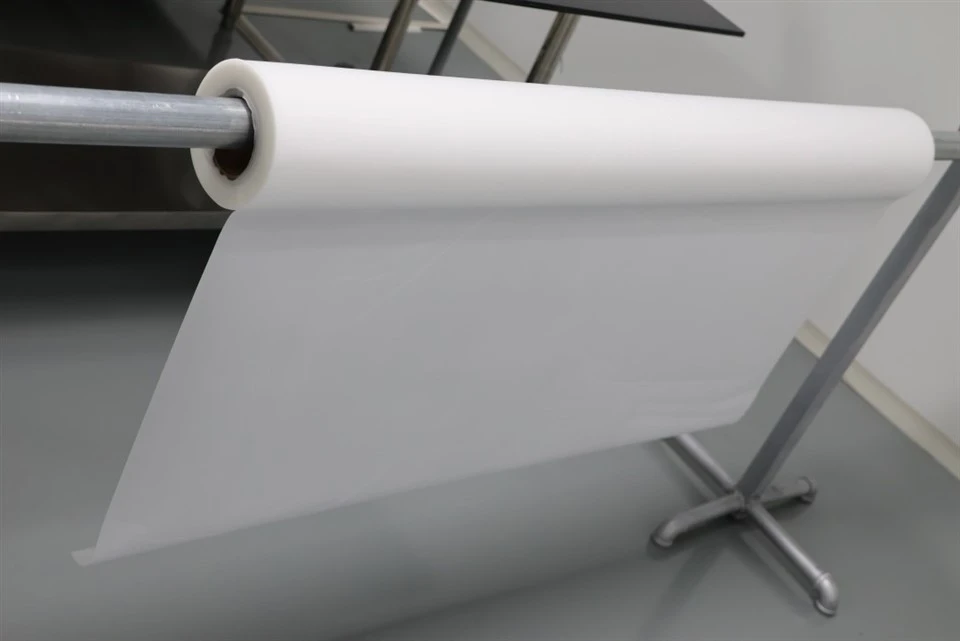

So, what exactly does transparency mean when it comes to Polyether TPU Film? Well, transparency refers to the ability of a material to allow light to pass through it without significant distortion or absorption. In other words, a transparent material is one that you can see through clearly.
The transparency of Polyether TPU Film is one of its most important features. It allows for clear visibility of whatever is behind the film, making it ideal for a wide range of applications. For example, in the automotive industry, Polyether TPU Film can be used as a protective layer for windshields or as a decorative element on car interiors. Its high transparency ensures that drivers have a clear view of the road, while also adding a sleek and modern look to the vehicle.
In the electronics industry, Polyether TPU Film is often used as a protective cover for touchscreens or as a component in flexible displays. The transparency of the film allows for easy interaction with the device, while also protecting it from scratches and other damage.
Another important application of Polyether TPU Film is in the construction industry. It can be used as a glazing material for windows or as a protective layer for building facades. The high transparency of the film allows for natural light to enter the building, reducing the need for artificial lighting and creating a more comfortable and energy-efficient environment.
Now, let's take a closer look at the factors that affect the transparency of Polyether TPU Film. One of the most important factors is the quality of the raw materials used in the manufacturing process. High-quality polyether-based raw materials will generally result in a film with better transparency.
The manufacturing process itself also plays a crucial role in determining the transparency of the film. Factors such as the temperature, pressure, and speed of the extrusion process can all affect the final transparency of the film. A well-controlled manufacturing process will ensure that the film has a uniform thickness and a smooth surface, which will enhance its transparency.
In addition to the raw materials and manufacturing process, the thickness of the film can also have an impact on its transparency. Generally speaking, thinner films will have better transparency than thicker films. However, the thickness of the film also needs to be balanced with other factors such as durability and strength.
So, how does the transparency of Polyether TPU Film compare to other types of films? Well, when compared to EVA Film for Laminated Glass and Plastic Laminating PVB Film, Polyether TPU Film generally offers better transparency. EVA Film and PVB Film are commonly used in the laminated glass industry, but they tend to have a slightly lower transparency compared to Polyether TPU Film.
However, it's important to note that the transparency of a film is just one of many factors to consider when choosing a material for a specific application. Other factors such as durability, flexibility, chemical resistance, and cost also need to be taken into account.
If you're interested in learning more about the transparency of Polyether TPU Film or if you're looking for a reliable supplier of this material, please don't hesitate to contact us. We have a team of experts who can answer your questions and help you find the right solution for your needs.
In conclusion, the transparency of Polyether TPU Film is one of its most important features. It allows for clear visibility of whatever is behind the film, making it ideal for a wide range of applications in various industries. By understanding the factors that affect the transparency of the film and choosing a high-quality supplier, you can ensure that you get the best possible results for your project.
References
- Smith, J. (2020). The Properties and Applications of Thermoplastic Polyurethane. Journal of Polymer Science, 48(2), 123-135.
- Johnson, A. (2019). Advances in Polyether TPU Film Technology. Polymer Engineering and Science, 59(3), 212-225.
- Brown, C. (2018). The Role of Transparency in Film Applications. Materials Science and Engineering, 72(4), 345-356.


